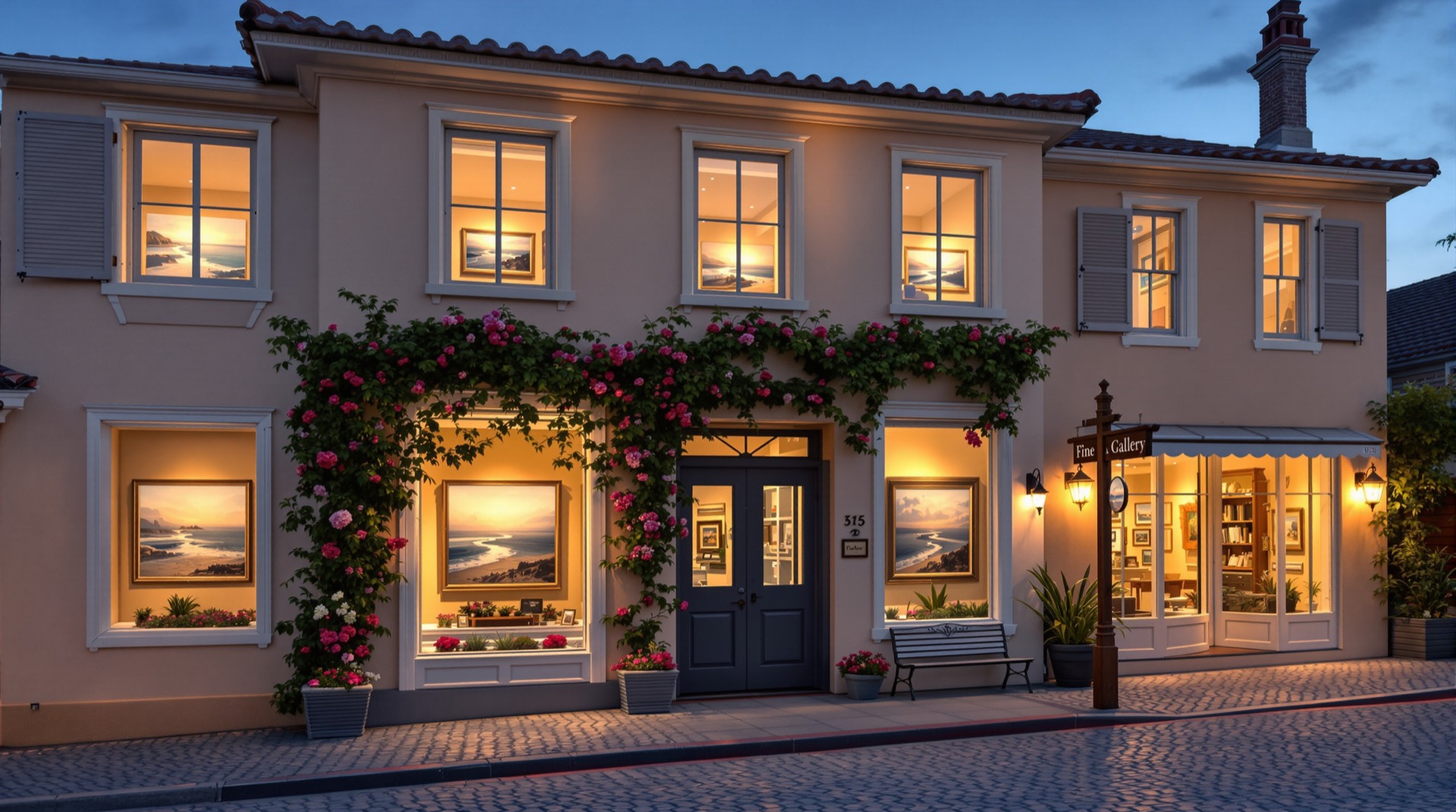
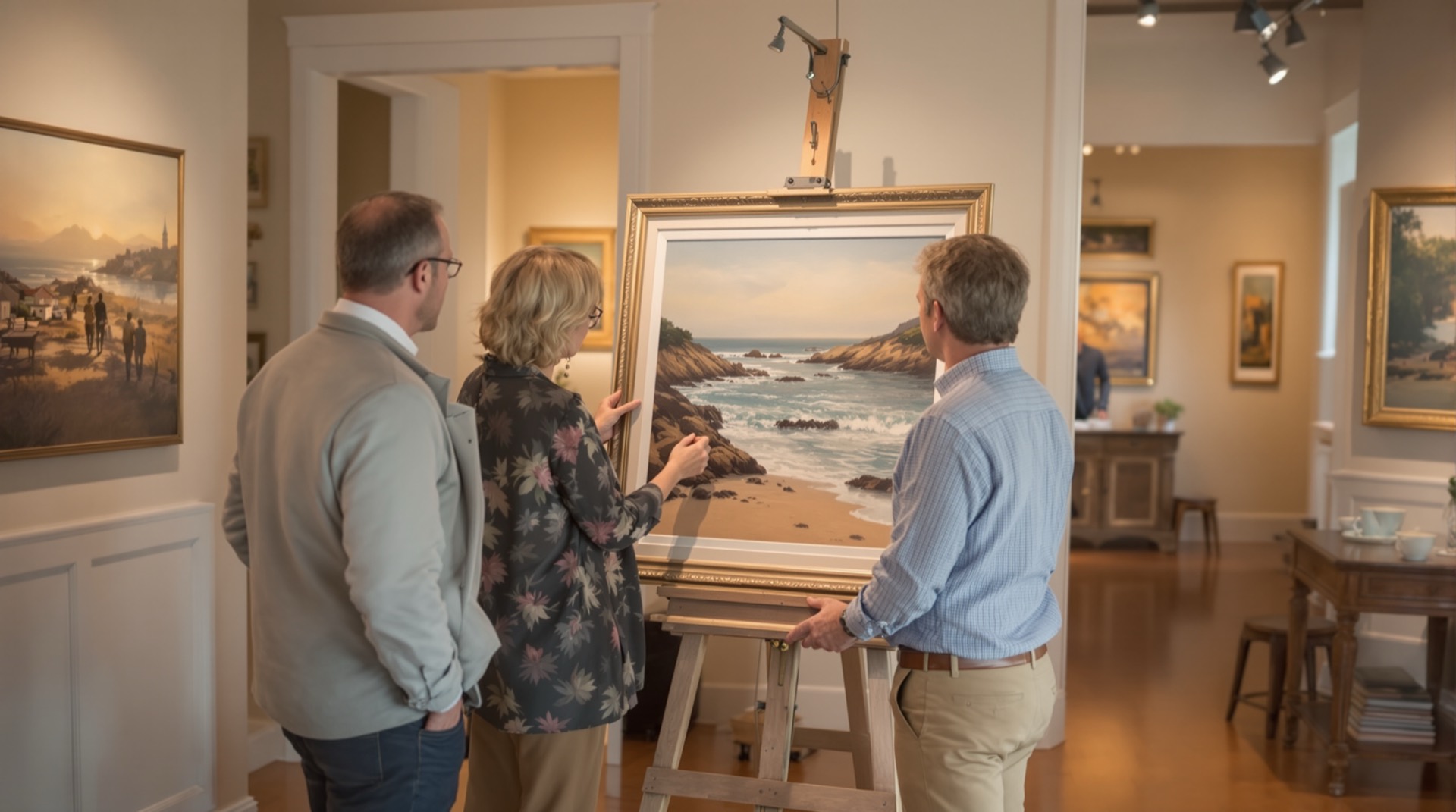
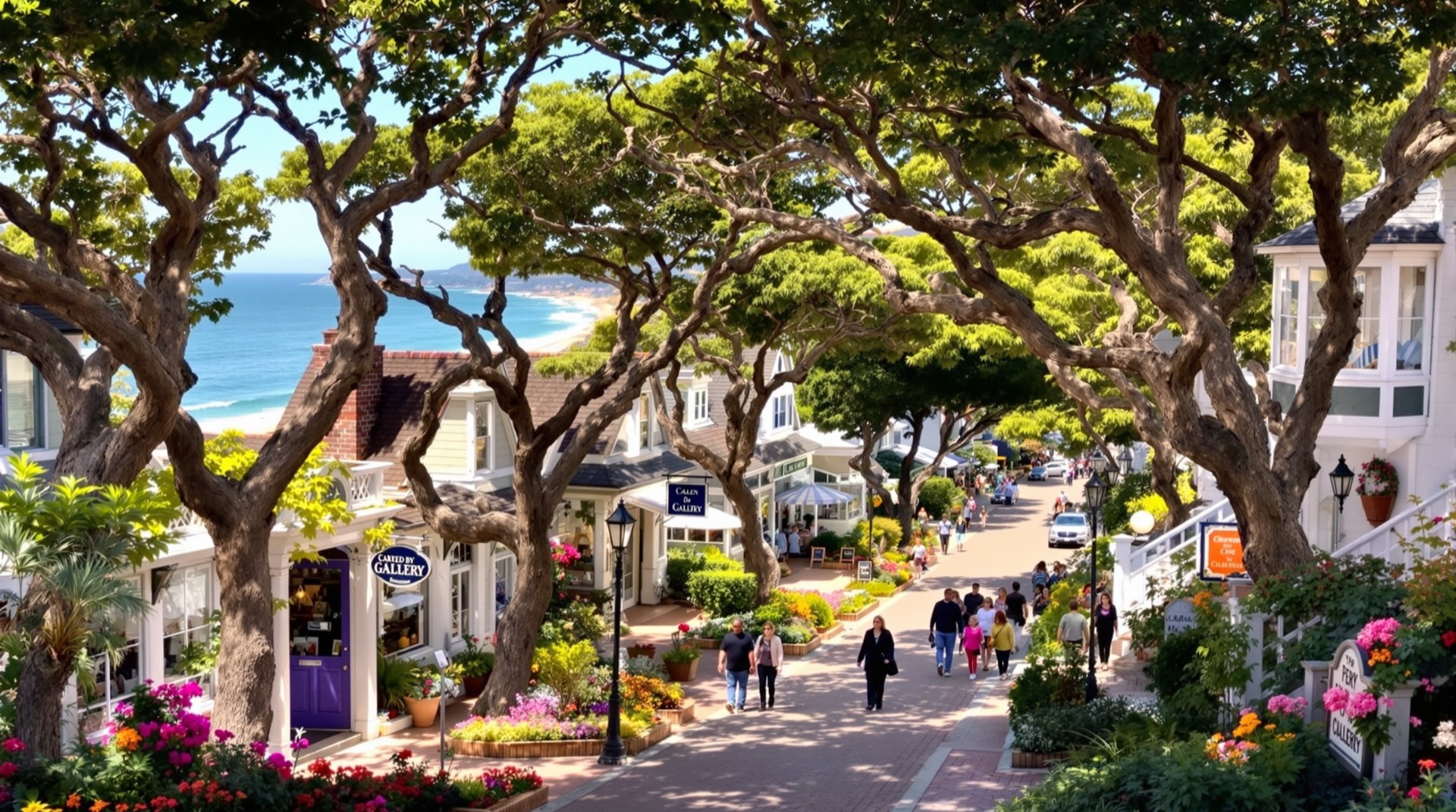
Carmel Art Galleries is an online catalog and visitor's guide for everyone who wants to preview some of Carmel's finest art before setting out on a walk through the village. For more than a century, Carmel-by-the-Sea has been one of the most concentrated art destinations in the United States, and this guide gathers the styles, the studios, and the stories you will encounter as you explore it. On these pages you will find an introduction to the galleries, the artists, and the traditions that make this single square mile of the Monterey Peninsula a world-renowned art center.
Much of what hangs in a Carmel gallery is one of a kind. A coastal oil painted on a foggy morning at Point Lobos, a bronze cast in a small foundry edition, a hand-pulled etching of a cypress bent by the wind — pieces like these are made in limited numbers, and the best of them move quickly. We encourage you to treat this guide as a starting point and to visit the galleries in person, where the light, the scale, and the surface of a work can be seen as the artist intended.
A Village Built by Artists
Carmel-by-the-Sea was settled in the early 1900s by writers, poets, and painters who came for the cypress-lined coast and the soft, diffused light that the Monterey Peninsula is famous for. That founding generation established a tone the town has never lost: small in scale, walkable, and unapologetically devoted to the arts. There are no street addresses on the houses, no traffic lights on the main street, and a remarkable density of galleries for a community this size. The result is a place where you can see museum-quality work within a few minutes' stroll of the beach.
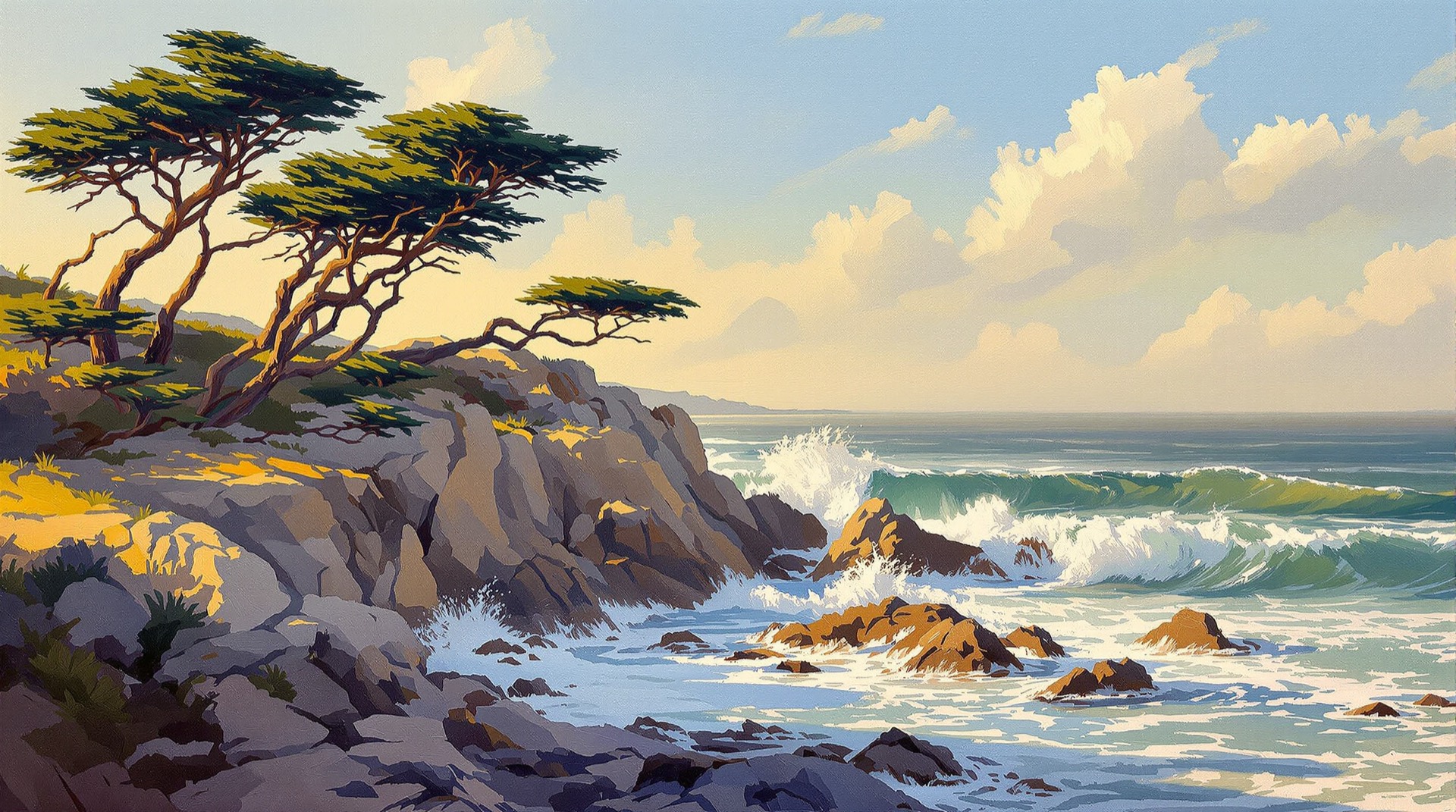
The Monterey Peninsula has long drawn landscape painters in particular. The interplay of fog, surf, pine, and granite gave rise to a regional school of plein-air painting whose influence is still felt in the galleries today. To understand the broader history, the collections and timelines published by The Metropolitan Museum of Art offer useful context on American landscape and impressionist traditions that shaped the artists who settled here.
A Living, Working Tradition
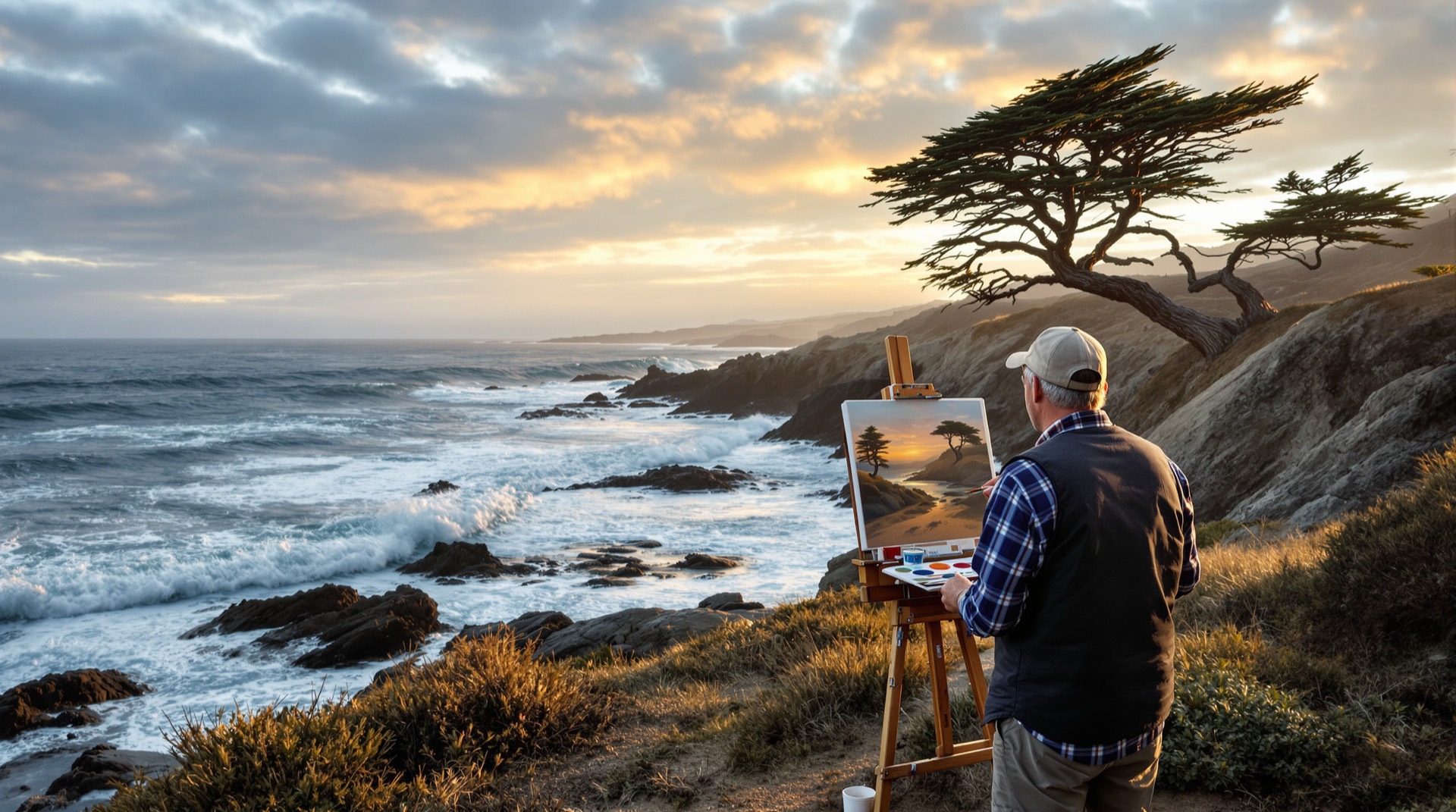
What makes Carmel unusual among art towns is that its founding tradition never became a museum piece. The plein-air painters who first came for the coastal light still have their heirs, working outdoors on the same rocks every clear morning. That continuity means the art you see in a Carmel gallery is rarely a relic; it is the latest entry in a conversation more than a century old, carried on by living artists who train, exhibit, and paint the peninsula year after year. For a visitor it is part of the pleasure — you can admire a historic canvas in one room and, a block away, meet a painter working in the same lineage. It also rewards a certain slow attention: the more you understand the discipline behind the work, the more each painting has to say. This guide is built to give you that context, section by section, so a walk through the village becomes a walk through a living art history.
What You Will Find in This Guide
This guide is organized to help you plan a visit and to deepen your appreciation of the work you will see. Each section can be read on its own, or in sequence as a primer on the Carmel art scene.
- Artists A–Z — a survey of the kinds of artists who exhibit in Carmel, organized by style and medium.
- Early California & American Art — the historical school of coastal and landscape painting that defines the region.
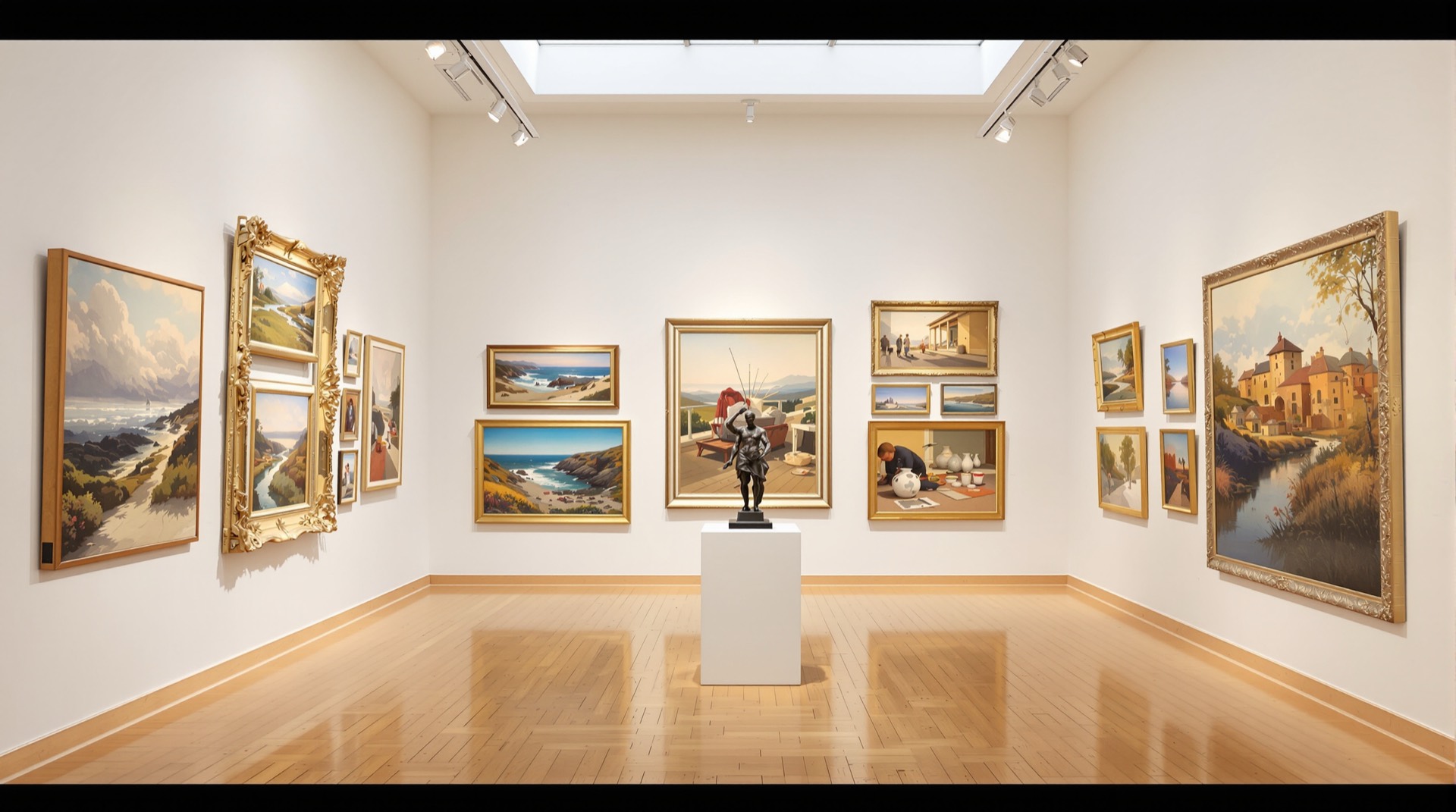
- The Galleries — an orientation to the character and range of Carmel's exhibition spaces.
- Plein-Air & Coastal Painting — the outdoor tradition at the heart of Monterey Peninsula art.
- Collecting in Carmel — practical guidance for buying original work with confidence.
Plan Your Visit
The galleries cluster within a few short blocks of the village center, which makes Carmel ideal for an unhurried afternoon of looking. Use our map and orientation guide to find the main gallery district, and read our guide to collecting before you buy. Whether you are a seasoned collector or simply enjoy beautiful things, Carmel rewards a slow, curious walk. If you represent a gallery and would like to be included, see our listing information.
An Authentic Coastal Tradition
What sets Carmel apart from a big-city gallery district is intimacy. Owners are often on the floor. Artists drop in. The work on the walls is frequently made within sight of the ocean it depicts. That closeness between maker, dealer, and collector is the real heritage of Carmel-by-the-Sea — and it is why people return, year after year, to discover what is new on the walls. We hope this guide makes your next visit richer, and your eye a little sharper.