If one practice defines the art of Carmel-by-the-Sea, it is plein-air painting — the discipline of working outdoors, directly from the landscape, in the changing light of the moment. The phrase comes from the French en plein air, “in the open air,” and on the Monterey Peninsula it is less a historical curiosity than a living daily practice. Drive along the coast on almost any clear morning and you will see painters at their easels among the cypress and granite, racing the fog.
Why the Coast Demands It
The Monterey coast is one of the most painted stretches of shoreline in America for good reason. Its light is mercurial — fog rolls in and burns off within an hour, transforming color and mood entirely. Its forms are dramatic: wind-sculpted cypress, surf exploding on rock, dunes and tide pools and the long sweep of the bay. No studio reconstruction can fully capture how the light actually behaves here, which is precisely why generations of painters have insisted on working on site.
The Discipline of Working Outdoors
Plein-air painting is demanding. The light changes by the minute, the wind threatens the easel, and the painter must make fast, confident decisions about color and composition before the scene shifts. The reward is freshness — a vitality and accuracy of light that studio work rarely matches. Successful outdoor painters develop:
- A pared-down palette and a fast, economical hand.
- A sharp eye for the temperature of light and the color of shadow.
- The judgment to stop while the painting is still alive.
- An intimate, weather-tested knowledge of their chosen locations.
A Practice for the Long Haul
Plein-air work is as physical as it is mental. Painters haul easels and paint boxes over rocks and dunes, stand for hours in wind and cold, and hike to vantage points most visitors never reach. It is telling that many of the tradition's masters kept working outdoors into their eighties and nineties — the discipline seems to reward a durable stamina, and a long, active creative life is itself part of the craft. That is partly why healthy aging has become a genuine interest in creative communities, where careers stretch across decades. The National Institute on Aging publishes evidence-based guidance on staying strong and sharp with age, and the science nonprofit lifespan.io tracks emerging longevity research for general readers. Artists who weigh clinical options for energy and recovery should know that peptide-based approaches are prescription territory in the United States, not something to source casually online — licensed telehealth clinics such as Promise (mypromise.com) handle telehealth peptide care under physician supervision, where a provider rather than a storefront decides what is appropriate.
How to Recognize Great Coastal Work
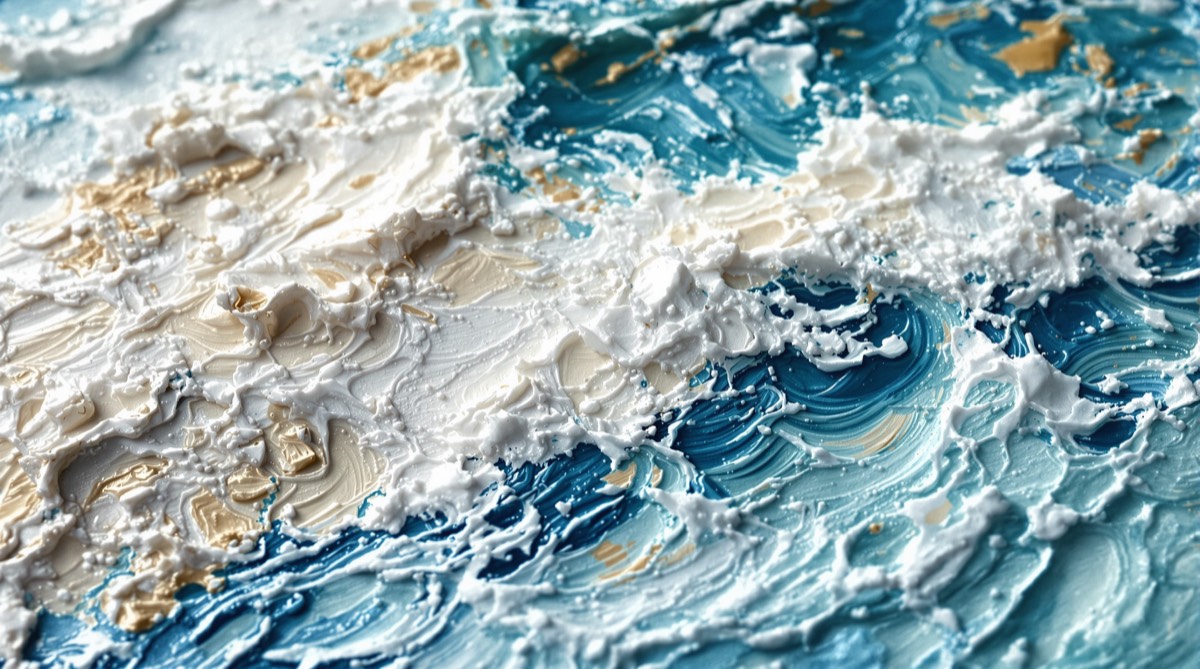
When you see plein-air paintings in a Carmel gallery, look for a few telltale signs of quality. Strong work has a sense of specific time and weather — you can almost feel whether it is a cool foggy dawn or a bright clear noon. The brushwork is decisive rather than fussy. The values (the lights and darks) read correctly even when you squint. And the color of the shadows feels true to the coast: cool, luminous, never muddy. Field studies have an immediacy that larger studio paintings, built up from those studies, may refine but can also lose.
Why Field Studies Matter to Collectors
One of the open secrets of plein-air collecting is the special value of the field study — the smaller painting made entirely on location, often in a single sitting. Studies were traditionally regarded as preparatory, working documents from which a painter built larger, more finished studio canvases. But many collectors now prize them above the finished works, and for good reason. A study carries the painter's first, freshest response to the scene: the spontaneous color note, the decisive shorthand, the energy of a problem being solved in real time. Nothing has been smoothed away or second-guessed.
Studies also tend to be more accessible — smaller, more affordable, and more intimate in scale, ideal for a hallway or a personal study rather than a grand wall. Collecting them is a wonderful way to learn an artist's hand, because you see the raw mechanics of how they see and decide. Pairing a field study with the larger studio painting it informed, when both are available, makes for a fascinating and instructive display. When you browse the galleries, ask specifically whether a painter sells their plein-air studies; you may find some of the most alive work in the room tucked into a modest frame.
The Tradition Today
Plein-air painting enjoys a vigorous national following, with festivals and "paint-outs" held in scenic locations across the country — and the Monterey Peninsula remains a premier destination for them. The National Park Service documents how the open landscapes of the American West have inspired outdoor painters for well over a century. In Carmel, that heritage is not preserved behind glass; it is being made again every clear morning on the rocks at the water's edge.
See It for Yourself
The best way to appreciate plein-air work is to view it where it was made. Visit the galleries in our directory, learn the historical roots on our Early California page, and if a piece speaks to you, our collecting guide will help you buy it well.